Importing kitchen cabinets from China to Australia: duty, GST and compliance
Reviewed by Bo, Project Manager at NOVARTE · Updated
What Australian homeowners and builders need for a cabinetry shipment from China: ChAFTA origin documents, GST, asbestos-free assurance, timber packaging rules, lead times and installation.
The practical answer
Chinese-origin cabinetry may qualify for ChAFTA preferential duty when origin and tariff requirements are met. GST is generally 10% of the taxable import value. Confirm asbestos assurance, permitted benchtop materials and biosecurity-compliant timber packaging before shipment; your customs broker checks the requirements for the actual goods.
Customs duty and the ChAFTA Certificate of Origin
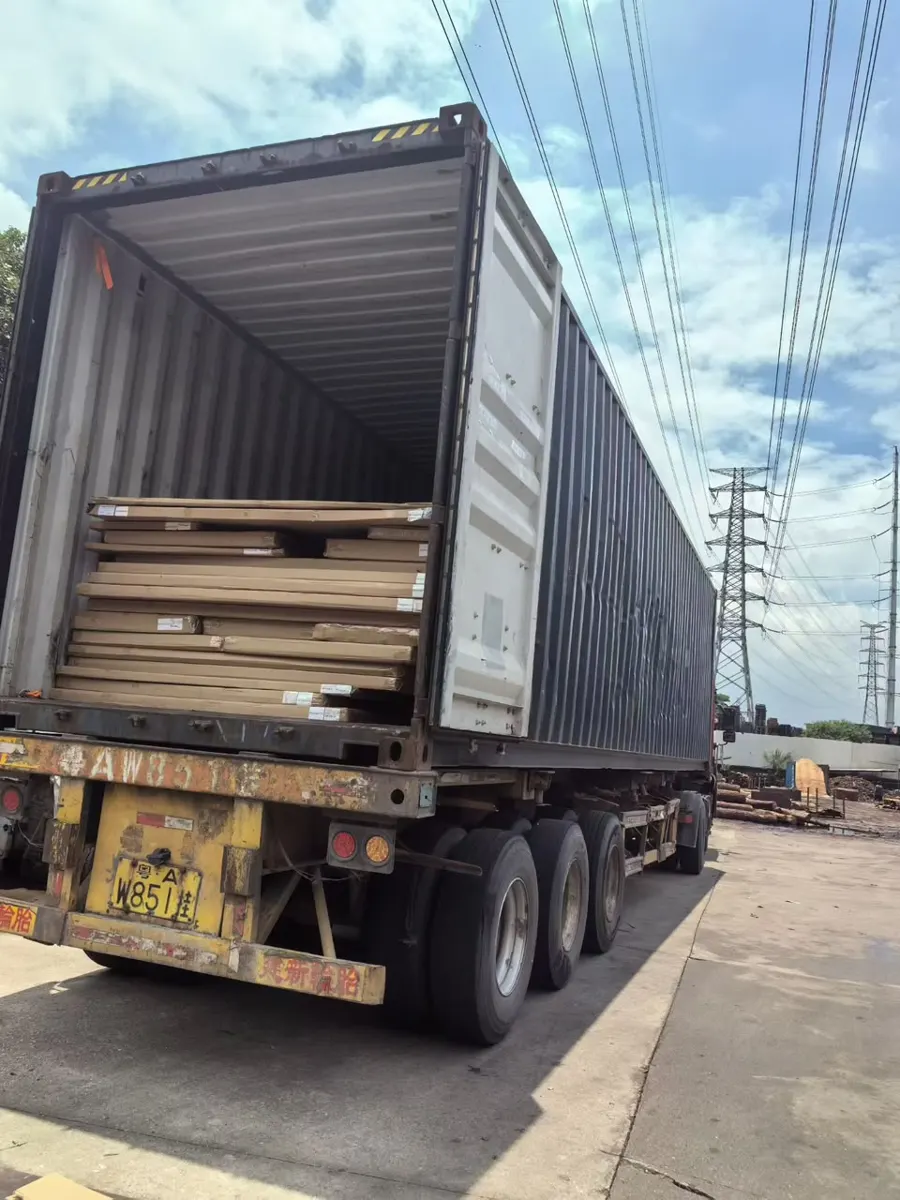
ChAFTA removed Australian tariffs on most goods made in China. To claim the preferential rate, the importer needs a Certificate of Origin (or a Declaration of Origin backed by an advance ruling) at the time of import. A Certificate of Origin is issued in English and normally remains valid for 12 months; retrospective issue is possible under specified conditions. The origin-document waiver for originating goods valued at AUD 1,000 or less does not cover split shipments arranged to avoid the agreement requirements.
Your customs broker confirms the tariff classification and preferential rate for your goods. We can supply the Certificate of Origin with the export documents.
GST on imported cabinetry
GST of 10% is charged on the value of the taxable importation. That value is the customs value plus any duty and the cost of international transport and insurance. A GST-registered business may be entitled to an input tax credit for an eligible creditable importation; registration alone does not guarantee a refund. Private homeowners generally cannot claim this business credit.
Asbestos-free assurance
Importing goods containing asbestos is prohibited in Australia, and it is the importer's responsibility to make sure goods are asbestos-free before they arrive. ABF requires suitable asbestos assurance. Where laboratory testing is used, overseas accreditation must be NATA-recognised through a mutual recognition arrangement, with an appropriate test method and reports that identify the shipment samples.
Review the actual boards, stone and cement-based components with your broker before shipping and arrange appropriate testing when required. We share available product specifications and order documents. CE and FSC supplier certificates do not establish that a shipment is asbestos-free.
Benchtops: check permitted materials before ordering
Australia prohibits the import of engineered stone benchtops, panels and slabs covered by its ban. Do not assume a quartz-labelled product is permitted. Resin-free sintered stone and porcelain are excluded from the engineered stone definition, but the actual composition and all import requirements still need checking with your broker before purchase.
Packaging and biosecurity
- Solid-timber packaging must be declared, meet bark limits and receive ISPM 15 treatment or an acceptable offshore treatment under BICON.
- Full and part container loads need a packing declaration completed by the packer.
- Sufficiently processed plywood, veneer and reconstituted wood can qualify as unrestricted packaging only when clean and free of untreated solid wood, bark, soil and other biosecurity risks.
- Non-compliant packaging can be treated, re-exported or destroyed at the importer's cost.
Lead times
Drawing and sample confirmation usually takes 7–14 days. Custom production typically takes 30–45 days after final approval. Add sea freight and customs clearance; ask your forwarder for the current transit time to your port.
Installation in Australia
Cabinets arrive in room-labelled packages with shop drawings. Partner installation teams are available in selected countries. Factory installers may also travel to site by agreement. Availability, team, scope, fees and travel or visa conditions are confirmed for each country and project. Your own builder can also install from our shop drawings and room-labelled packages.
Related import planning
Sources
- Australian Border Force: China–Australia FTA instructions and guidelines
- ATO: claiming GST credits
- Australian Border Force: value of taxable importation
- Australian Border Force: asbestos sampling and testing
- Safe Work Australia: engineered stone ban and imports
- Department of Agriculture, Fisheries and Forestry: timber and bamboo packaging
Common questions
Who is the importer?+
Usually you or your builder. A licensed customs broker lodges the import declaration and pays duty and GST on your behalf, then charges you for them with their fee.
Do I pay import duty on cabinets from China?+
With a valid ChAFTA Certificate of Origin, most cabinetry of Chinese origin qualifies for a preferential rate, usually zero. Your customs broker confirms the classification and rate for your shipment.
Which formaldehyde class are your boards?+
Our standard particle board is ENF grade, the lowest formaldehyde class in China's GB/T 39600 standard. Board certificates are supplied with the order.