Shipping furniture in a container: 20ft, 40ft or high cube?
Reviewed by Bo, Project Manager at NOVARTE · Updated
How much a 20ft, 40ft or 40ft high-cube container holds, FCL or LCL, and how furniture and cabinets are packed and labelled for delivery.
The practical answer
A 20ft container has about 33 m³ of internal space, a standard 40ft about 66 m³ and a 40ft high cube about 76 m³, according to Mainfreight’s specifications checked in October 2026. Usable furniture capacity is lower after packing and stacking allowances. Compare a full container with LCL using your actual packing list.
Container size references
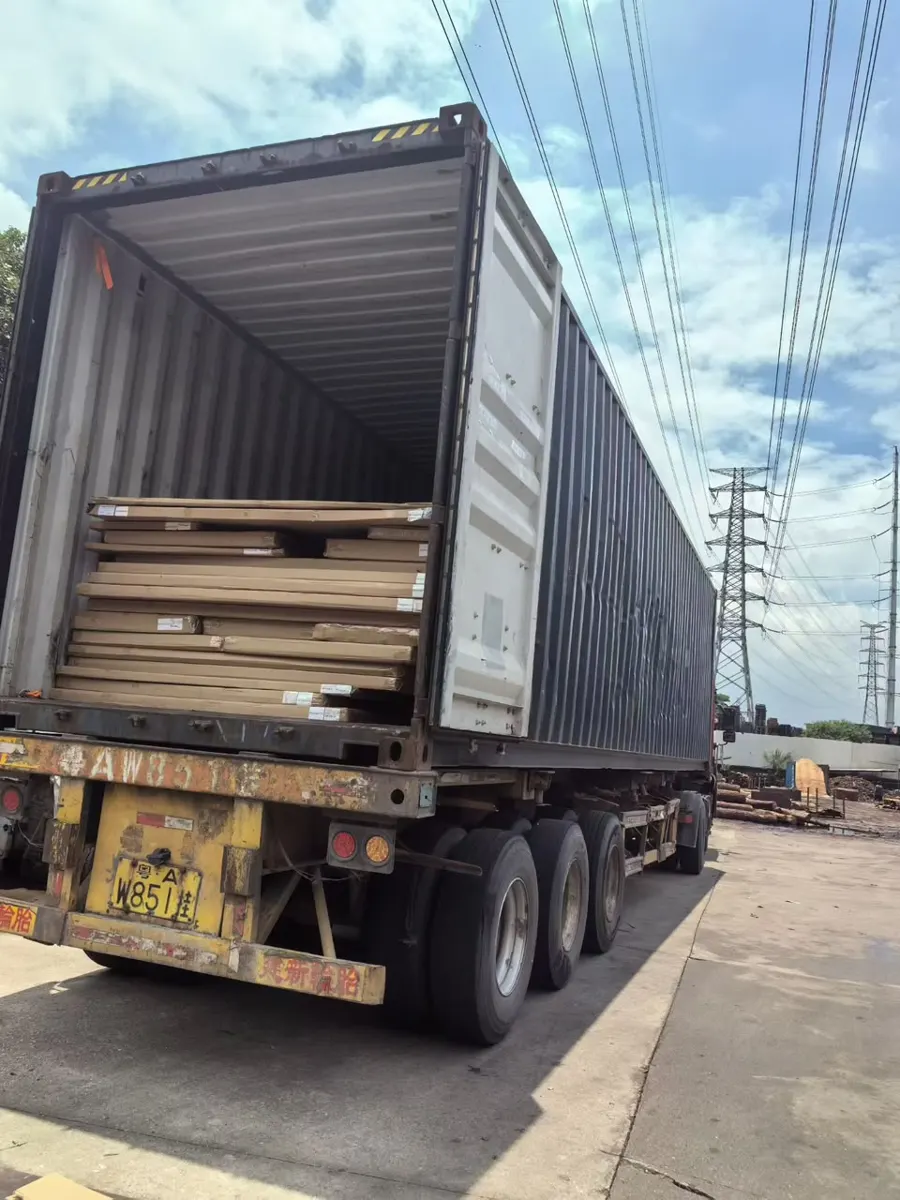
These are Mainfreight’s published reference specifications. Equipment dimensions, the actual container plate, booking conditions and road limits govern the shipment. Check the door opening as well as the internal height; a package can fit inside yet fail to pass through the door.
| Container | Internal L × W × H | Typical volume | Listed cargo weight |
|---|---|---|---|
| 20ft general purpose | 5.89 × 2.35 × 2.36 m | 33 m³ | 21,700 kg |
| 40ft general purpose | 12.05 × 2.35 × 2.36 m | 66 m³ | 26,500 kg |
| 40ft high cube | 12.05 × 2.35 × 2.69 m | 76 m³ | 26,500 kg |
FCL or LCL?
Less-than-container-load shipping combines cargo with other consignments. It can suit a smaller order, but confirm handling, consolidation time, minimum charges and destination collection. Protection must be suitable for the actual handling route.
A full-container-load booking can suit a larger cabinetry, whole-house or hotel package. Agree how the load is checked, secured, sealed and recorded, and who handles any inspection or transhipment. Compare the complete handling and destination costs with your forwarder.
Why the packing list matters more than room size
- Corner, face and edge protection add to the product dimensions.
- Upholstery and assembled cabinet boxes have stacking limits.
- Glass, stone and fragile finishes may require purpose-designed protection or crates.
- Factory-assembled cabinetry generally takes more space than panels, while reducing on-site box assembly.
- Weight distribution, restraint and safe handling can leave space unused.
Plan a project load
We discuss the load against the approved products, drawings and packing list. Agree room references and, where relevant, floor and room numbers for repeated hotel packages. Identify fragile items and any units that need to stay upright.
If the delivery sequence calls for first-use items to be accessible, build that into the loading plan where feasible. Agree the packing and loading photographs and the handover record before the container is closed. Link loading photographs to the agreed item references and packing list.
Confirm the arrival plan before departure
Check whether the site can accept the booked vehicle and who supplies unloading labour or lifting equipment. Clarify the time allowed, storage arrangements and how packages will reach the correct room without damaging finished surfaces.
Keep a copy of the packing list and photographs with the receiving team. Record shortages or visible damage against item references and follow the reporting process agreed with the supplier, forwarder and insurer.
Related import planning
Sources
Common questions
How much furniture fits in a 40ft container?+
A 40ft high cube has about 76 m³ of internal space and a standard 40ft about 66 m³ (Mainfreight). Usable volume is lower once packaging and stacking limits are allowed for; the packing list gives the real figure.
Is a 40ft high cube better for furniture?+
Usually, yes: the extra 33 cm of height suits tall wardrobes, sofas and assembled cabinets.
Can I share a container?+
Yes, with LCL, but expect more handling and time for consolidation.