Buying furniture from China to Australia, step by step
Reviewed by Bo, Project Manager at NOVARTE · Updated
How to buy furniture from China for an Australian home or hotel: supplier checks, timber biosecurity, documents, GST, freight and delivery.
The practical answer
Furniture from China can be imported into Australia after supplier checks, sample approval and the material-specific BICON checks. GST is 10% of the value of a taxable importation, according to ABF; ChAFTA can provide preferential duty with the required origin evidence. Build freight, clearance and local delivery into your budget, and have your broker confirm the classification and rate.
1. Define the products and destination
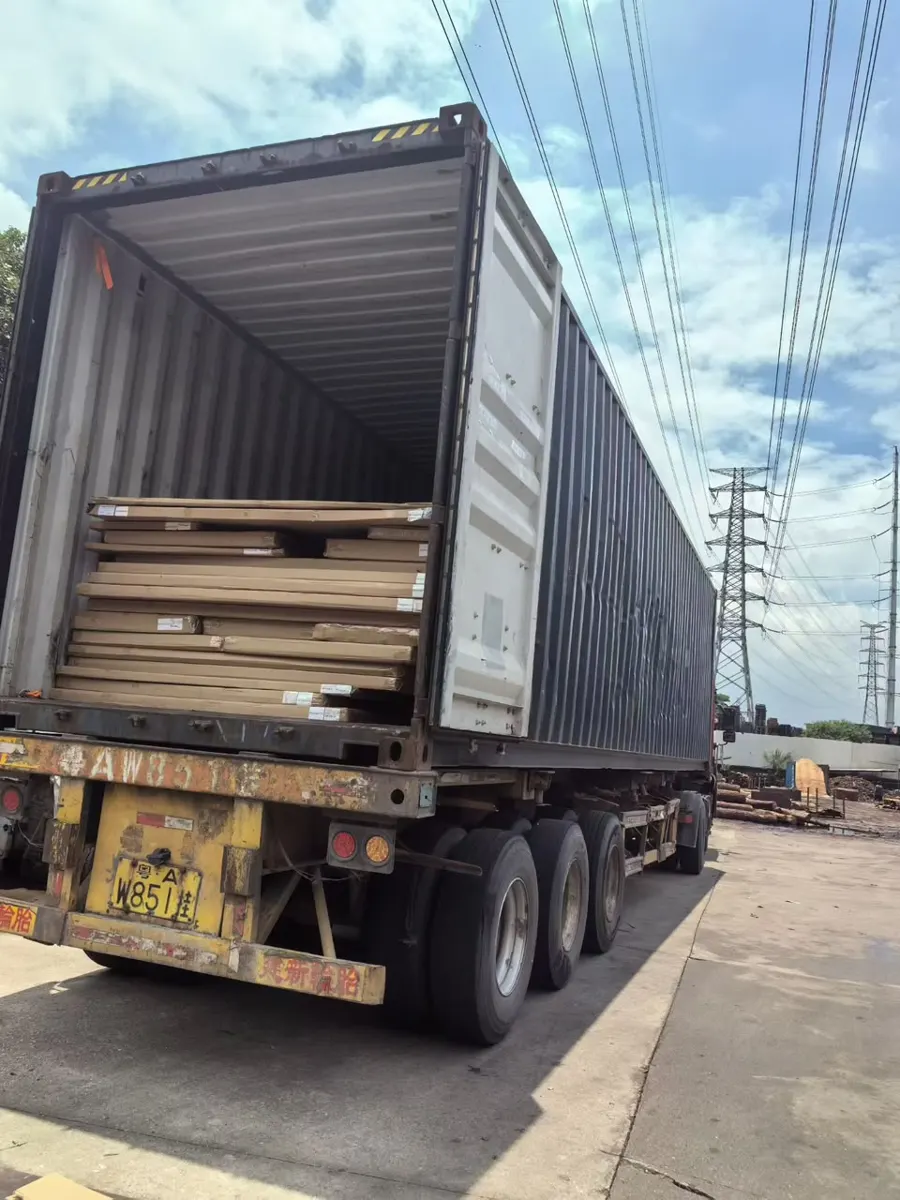
List furniture and cabinetry by room, quantity, dimensions and material. Identify solid wood, plywood, MDF, particleboard, bamboo, rattan, upholstery and animal-derived fillings separately. A mixed piece may need more than one material check.
Give the supplier your Australian city, postcode, site access and target date. Decide who will receive, unload and install the goods before comparing an export price with a local retail quotation.
2. Check the supplier and approve samples
Ask for a live video review of relevant products, physical samples and a written specification. Establish the seller, payment beneficiary, inspection arrangement and what happens if an item is missing or damaged.
Approve dimensions, finish codes and construction details. A showroom display can help choose a direction; confirm concealed materials in the specification before the item is manufactured.
3. Check BICON for the actual materials
DAFF’s wooden-furniture notice directs importers to BICON and appropriate treatment or manufacturing documentation. The appropriate treatment or manufacturing documents follow the material-specific pathway. Solid timber and reconstituted wood can follow different pathways; check the current case for every relevant material.
Resolve bamboo, rattan, leather, fillings and other components before production. Ask your broker or biosecurity adviser which declarations, permits, treatment or inspection apply to the actual product. Identify all components in a mixed-material item for the import review.
4. Treat packaging as a separate requirement
ISPM 15 applies to raw solid-wood packaging such as pallets, crating and dunnage. Australia accepts compliant treatment and marking or the alternative treatments specified in BICON. Packaging wholly made from processed wood such as plywood is outside ISPM 15’s provisions, but must still meet the applicable import conditions.
Check the packing declaration, marks and supporting evidence before loading. Compliance for a crate does not by itself establish that the furniture inside meets its own import requirements.
5. Approve the packing and document set
| Document or record | What to check |
|---|---|
| Commercial invoice | Accurate products, values, materials and seller details |
| Packing list | Item references, quantities, package dimensions and weights |
| Origin evidence | Certificate or other accepted proof where a preference is claimed |
| Packing declaration | Packaging and cleanliness information required for the shipment |
| Treatment or manufacturing evidence | Documentation required by the applicable BICON pathway |
| Bill of lading or sea waybill | Transport parties, shipment references and destination arrangements |
6. Confirm duty, GST and other landed costs
ABF states that GST on a taxable importation is 10% of its taxable value. That value generally includes customs value, duty and international transport and insurance, plus any other applicable components. It is not simply 10% of an ex-factory furniture price.
ChAFTA preferential treatment requires the goods to meet the origin rules and the appropriate evidence requirements. Have the broker confirm classification, the current rate, origin eligibility and any other measures, then budget for processing, inspection, storage and local delivery where applicable.
7. Arrange freight and clearance
Compare full-container and less-than-container-load quotations against the actual packing list and delivery terms. Confirm who lodges the import declaration, answers biosecurity questions and pays destination charges. A licensed customs broker is a useful option for a commercial shipment; this is not a claim that every importer is legally required to appoint one.
Australia generally prohibits imports containing asbestos, subject to narrow lawful exceptions or permissions. Ask for relevant supply-chain evidence before shipment. An unsupported asbestos-free declaration alone is not proof; sampling or accredited testing may be needed for risk goods.
8. Receive, check and install
Arrange unloading equipment and a suitable local team. Match every package to the packing list, photograph visible damage and follow the agreed reporting process promptly. Keep item labels so replacement-part requests can be linked to the correct unit.
Combining furniture and cabinets can help coordinate a delivery, but it does not remove material-specific import checks or guarantee simpler clearance. Plan installation responsibilities and licensed trade work separately.
Related import planning
Sources
Common questions
Do I pay duty on furniture from China?+
Usually duty is preferential under ChAFTA when a valid Certificate of Origin is provided, and GST of 10% applies. Your broker confirms the tariff classification and rate.
Does timber furniture need fumigation?+
Not always. Solid timber furniture may need treatment or manufacturing evidence under BICON; furniture made from MDF or particleboard is generally lower risk, so check BICON for each material.
Should I use a customs broker?+
Yes, for commercial shipments.
Can I combine furniture and cabinets in one container?+
Yes. Agree item labels and material records for the combined packing list and destination checks.